
ASSEMBLY & SELECTION GUIDE
Pairing Male and Female Blade Battery Connectors: Check Mating Orientation at 2mm Pitch
Pair blade battery connectors by specified mating part numbers, pin positions, keying, mating orientation and PCB mounting dimensions. Matching pitch and pin count alone do not prove compatibility.
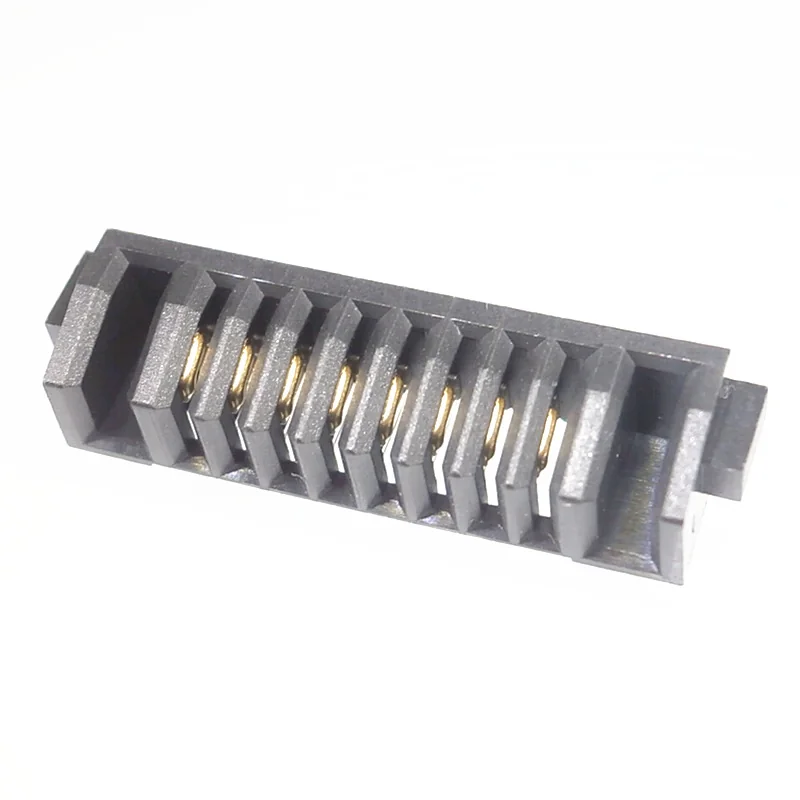
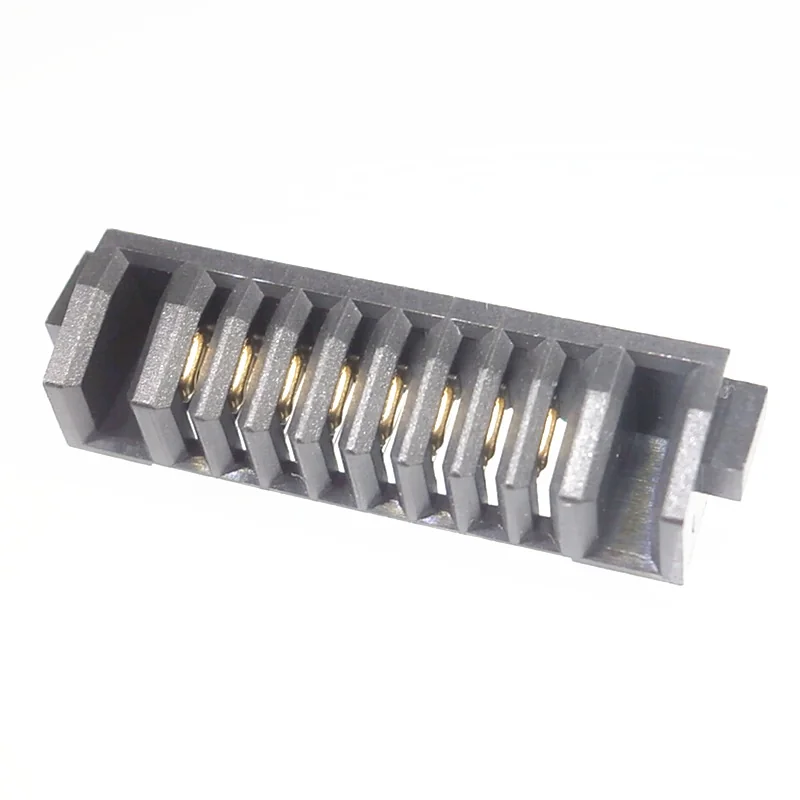
Select blade battery connectors using the male/female pairing confirmed by the manufacturer, and check the mating orientation of both sides in the assembly drawing. Matching pitch, matching pin count and the labels “male” and “female” are not individually sufficient to prove that two products mate.
Confirm the mating pair before checking board-side space
For a candidate male connector, first request the specified female mating part number and the drawing revisions for both parts. Follow the same process if the female connector is selected first. Align both drawings to the same viewing direction, then check the contact array, pin 1, empty positions, terminal width and thickness, insertion depth and contact region. Check all dimensions as defined on the drawings. Photographs are useful only for identifying structure.
TE's battery connector mating guidance distinguishes board-to-board relationships, mounting angles and keying combinations. Mating confirmation requires complete structural information. Those combination rules apply to the corresponding TE products; they cannot directly establish compatibility between Kangsheng models.
Check orientation and stops in an assembly section
Names such as “90 degrees” and “180 degrees” need to be interpreted using the drawings. Mark the PCB planes, insertion arrow, fully assembled position and withdrawal clearance in a device section view. This can reveal cases where the interface faces the correct direction but the battery housing, screws or neighboring components obstruct the mating path.
Also check the following:
- Guidance: does the housing or guide structure align the parts before the contacts enter the contact region?
- Stops: what establishes the specified mating position, and is there a risk of over-insertion?
- Keying and polarization: do the keys match, and could a reversed or incorrect combination be forced together?
- Mounting: do locating holes, mounting lugs, pads and board thickness suit the mounting method?
For a 2.5 mm blade candidate with the specified mating pair identified, use the 2.5 mm blade PCB mounting guide to review each side’s tail style, seating and support.
Molex's explanation of keying and polarization discusses the correct mating partner and correct insertion orientation separately. Record these as separate checks rather than treating “error-proofing present” as a broad pass conclusion.
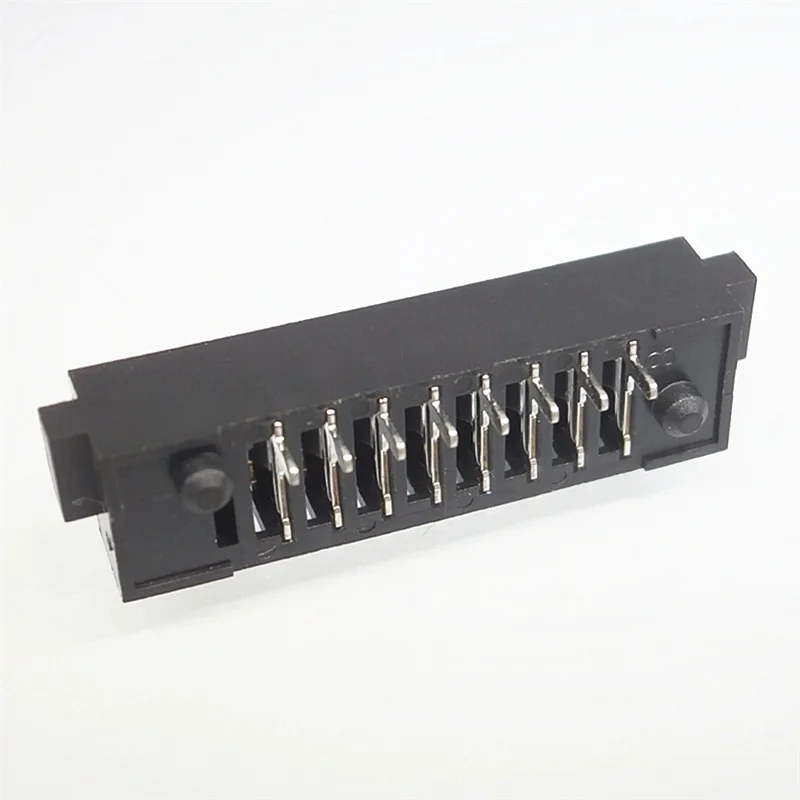
What can the Kangsheng model page confirm?
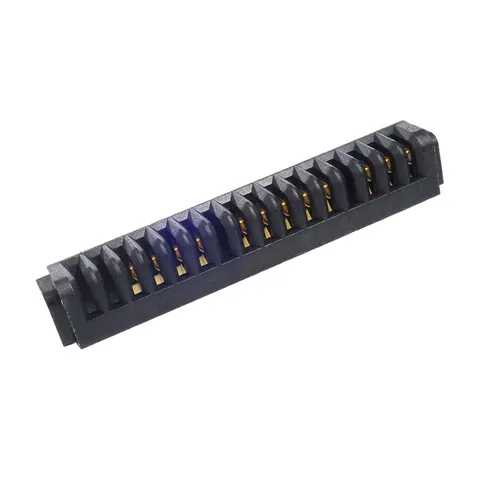
KS-BL-347 publicly lists 2mm pitch, 16P, a female connector and SMT solder tails. It is a mechanical candidate available through the 2mm-pitch blade connector page. This article does not specify a male mating connector for it. The product page lists multiple drawings. When requesting technical confirmation, specify the actual pin count, complete model number and required drawing revision. Do not place an order based only on one drawing filename.
CATALOGUE REFERENCES
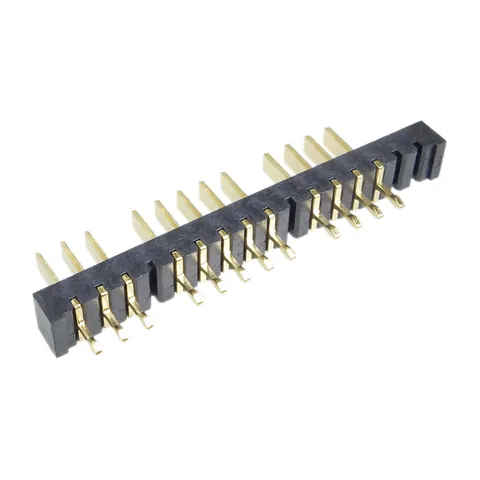
Related products
Frequently asked questions
Can male and female connectors in the same series be paired directly?
Are a 90-degree connector and a 180-degree connector necessarily incompatible?
Does smooth manual insertion prove compatibility?
YOUR NEXT DESIGN CHECK
Send us your drawing.
We’ll check pitch, height and compression against your assembly requirements.
Ask about this article