
ASSEMBLY & SELECTION GUIDE
Reading High-Current Battery Connector Ratings: Continuous Current, Peaks and Temperature Rise
Check continuous current, peak duration and temperature-rise test conditions when selecting high-current battery connectors. Record loaded contacts, ambient temperature and PCB or wire conditions; do not infer ratings from pin count.
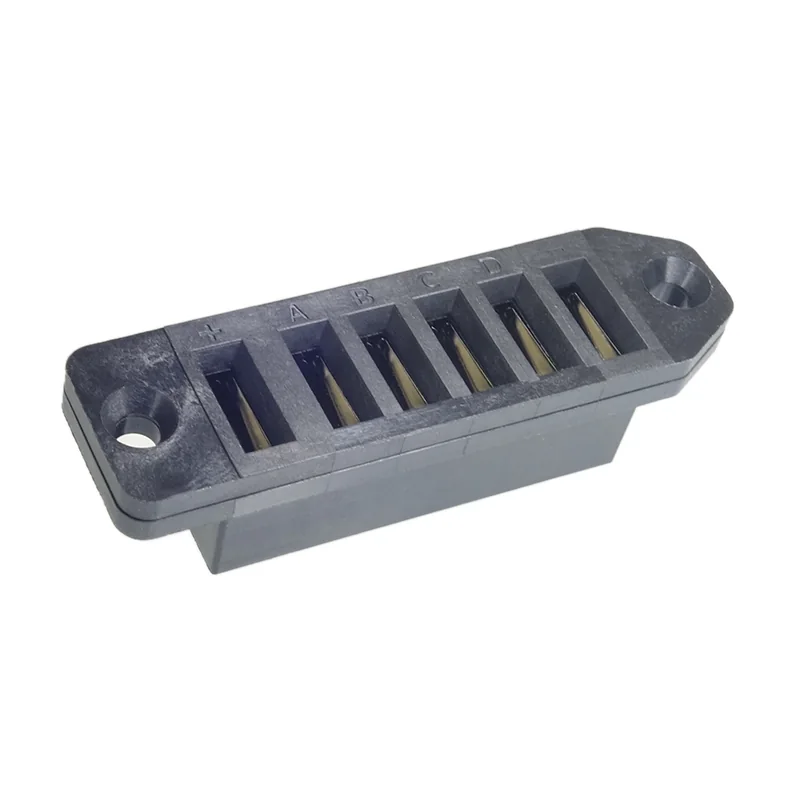
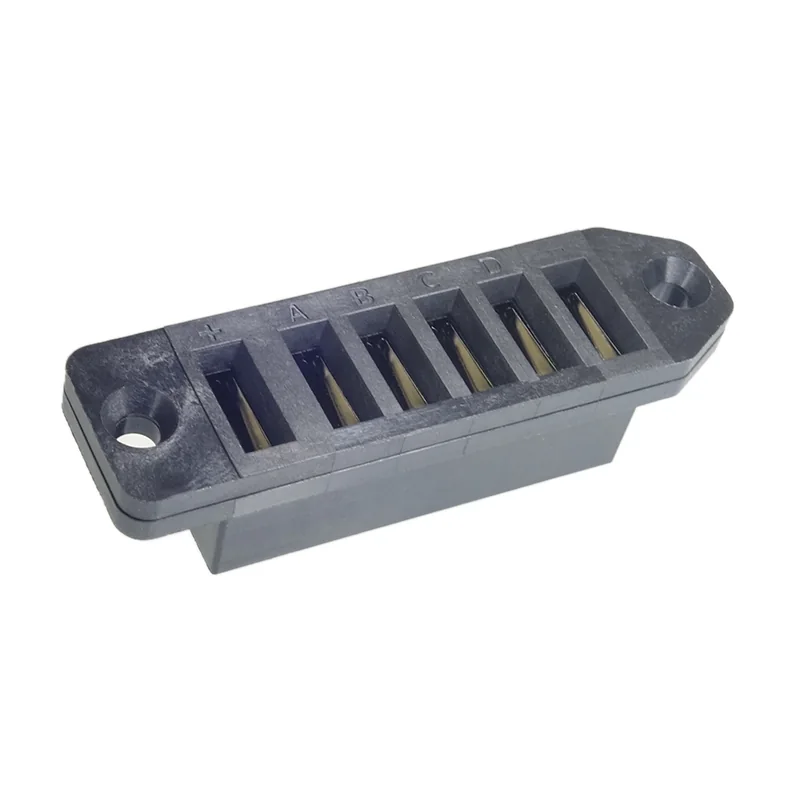
When selecting a high-current battery connector, check both the current rating and the test conditions supporting it, then compare them with the device load. An amperage figure alone is usually insufficient to determine whether a model suits a particular project.
Describe the load over time
Record normal operating current and its duration, plus the peak magnitude, duration and repetition interval. If the system has charging and discharging states, document them separately. Startup pulses and sustained loads have different thermal conditions. Average current cannot directly cover every case, and current passed during a short test should not be treated as a continuous rating.
Also record the expected ambient temperature inside the device, nearby heat sources and heat-dissipation conditions so they can be compared with the connector documentation.
Read the conditions behind the rating
The Molex MINI-FIT TPA product specification explains that its current tables are based on specified wires, all circuits loaded and defined temperature-rise conditions. It also identifies ambient conditions, PCB copper and nearby heat sources as factors affecting application results. This illustrates why ratings must be read together with their conditions. Its current tables and temperature-rise limits do not apply to Kangsheng models.
When asking the supplier, focus on five questions:
- Does the value apply to a single contact or a specific complete connector assembly?
- Which contacts were loaded, and how did current flow through the power and return paths?
- What wire, PCB and termination method were used?
- What were the ambient temperature, temperature-rise criterion and measurement locations?
- Is derating data available for different temperatures or load configurations?
Temperature rise is the increase above ambient temperature, not the ambient temperature itself. When comparing two specifications, check whether their test conditions match rather than comparing amperage alone.
Pin count does not determine total current
TE's battery connector guidance warns against calculating total capacity by simply multiplying the maximum current per contact by the pin count. Signal, power and return pins serve different roles. Loading multiple contacts also requires thermal evaluation. For parallel contacts, obtain confirmation for the actual configuration.
Start model confirmation from the Kangsheng category page
The high-current battery connector category can help identify mechanical candidates. For example, KS-HB-014 publicly lists 6P, but this article does not infer a current rating from that count. After choosing a candidate, obtain its specifications and test conditions before defining the sample validation plan.
Keep the load profile, ambient conditions and measurement points, connection method, sample part number and acceptance basis in the validation record. A single energization at room temperature does not replace confirmation across the device's operating range.
For removable battery packs, use the power-tool load and connector selection guide to place continuous current, peak duration and temperature-rise inputs in the same assembly brief.
CATALOGUE REFERENCES
Related products
Frequently asked questions
Is a rating above normal operating current enough to select a connector?
Is a product labeled high-current necessarily suitable for power tools?
Can an estimated value be entered if no temperature-rise curve is available?
YOUR NEXT DESIGN CHECK
Send us your drawing.
We’ll check pitch, height and compression against your assembly requirements.
Ask about this article